

Air-conditioned museums, cultural venues, underground sites and basilicas where you can escape the summer heat without missing out on the best of Rome.
Visiting Rome in summer means enjoying long days and exploring its squares, parks and historic landmarks well into the evening. However, during the hottest hours of the day, high temperatures can make even the best-planned itinerary feel exhausting. A good strategy is to alternate outdoor sightseeing with breaks in air-conditioned museums, indoor cultural venues and underground attractions, which naturally stay much cooler throughout the year.Keep in mind that not all of Rome’s major museums offer air conditioning in every room. In many historic buildings, climate control is only available in selected areas because of architectural constraints or the need to preserve artworks and archaeological finds. Before your visit, it’s always worth checking the latest visitor information and planning the most demanding sightseeing activities for the early morning or late afternoon.
TABLE OF CONTENTS
- Visiting Rome in hot weather
- Palazzo Esposizioni
- Civic zoological museum
- Rome’s underground sites
- Rome’s basilicas
- Leonardo da Vinci Exhibition
Visiting Rome in hot weather
Whether you’re planning a summer holiday or a romantic weekend getaway, Rome is always worth visiting. However, when temperatures soar, walking through its squares, streets and historic monuments can quickly become tiring. To make the most of your stay, it’s a good idea to alternate outdoor sightseeing with visits to indoor attractions.
Open-air landmarks are best explored early in the morning or later in the evening, while the hottest hours of the day are ideal for visiting air-conditioned museums and exhibitions. You can also find relief in places that, although not air-conditioned, remain significantly cooler than the streets outside, such as historic palaces, underground archaeological sites and churches.
There are a few other ways to make sightseeing more comfortable during the summer months. Choose attractions that are close to one another to reduce walking under the sun, and remember to carry fresh water, wear a hat, bring a folding fan if possible, and choose lightweight clothing.
In Rome with Leonardo
Add the Leonardo Exhibition to your things to do in Rome
Palazzo Esposizioni
Located on Via Nazionale, Palazzo Esposizioni is one of Rome’s leading venues for temporary exhibitions. It hosts displays dedicated to art, photography and science and also features a bookshop, a café, a cinema and a study area. Thanks to these facilities, visitors can comfortably spend a few hours indoors and enjoy a longer break when walking around the city becomes less pleasant because of the heat.
During periods of extreme heat, Palazzo Esposizioni has also opened its air-conditioned spaces as a climate shelter, highlighting the important role that museums, libraries and cultural centres can play as welcoming public spaces where both residents and visitors can escape high temperatures.
Its location is particularly convenient for anyone exploring the area between Termini Station, the Quirinal Palace, the Basilica of Santa Maria Maggiore and the Imperial Fora.
After a morning spent outdoors, Palazzo Esposizioni can be the perfect place to cool down before continuing your sightseeing later in the day. As exhibitions and opening times change throughout the year, it’s always advisable to check the current programme, opening hours and any seasonal closures before your visit.
Civic Zoological Museum
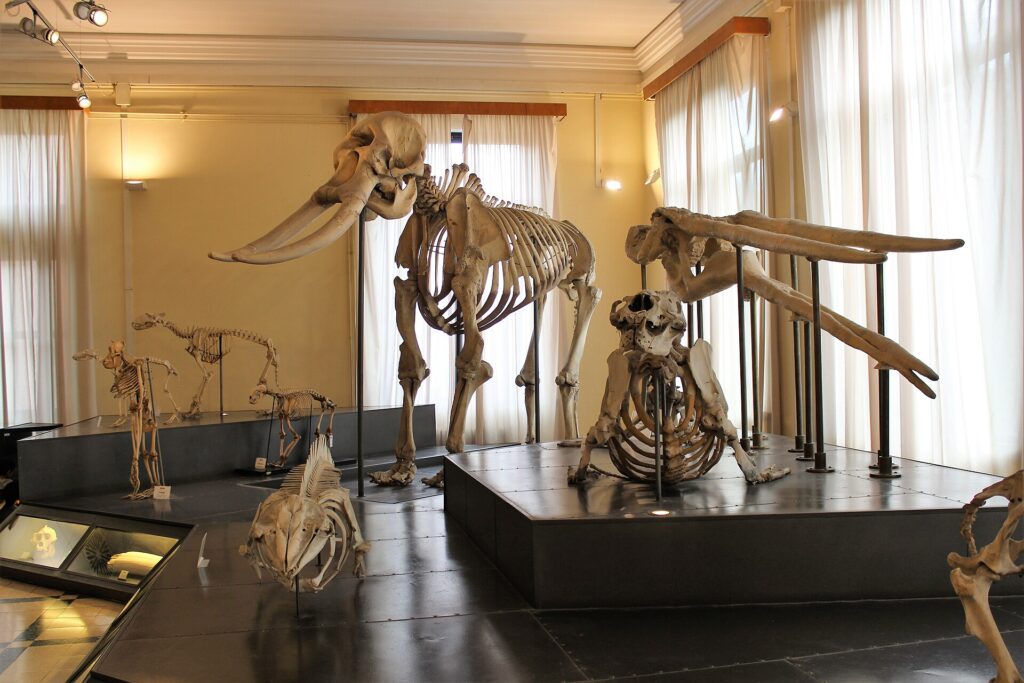
If you’re visiting Rome with children, the Civic Zoological Museum, located next to Villa Borghese, is an excellent alternative to spending hours walking in the summer heat. The museum explores biodiversity, evolution and the relationship between living organisms and their natural environments through specimens, reconstructions and interactive exhibits dedicated to the animal world.
The museum is air-conditioned, making it an ideal stop during the hottest part of the day. You can easily combine your visit with a walk through Villa Borghese in the early morning or late afternoon, when the park’s tree-lined avenues offer welcome shade and cooler temperatures.
Nearby you’ll also find the Borghese Gallery, the National Gallery of Modern and Contemporary Art and the Bioparco di Roma. The zoo, however, is mainly outdoors, so it’s best visited when temperatures are more comfortable.
READ ALSO: 5 Museums not to miss in Rome
Rome’s underground sites: naturally cool even without air conditioning
You don’t necessarily need to look for an air-conditioned building to escape the summer heat. Rome’s underground archaeological sites, for example, are home to remarkable historical treasures and maintain temperatures that are noticeably cooler than the sun-baked streets above.
One of the most fascinating places to visit is the Basilica of San Clemente, just a short walk from the Colosseum. Beneath the medieval church lie an Early Christian basilica and, even deeper underground, Roman-era buildings that include a Mithraeum dedicated to the ancient cult of Mithras. Descending through the different layers of the site allows visitors to travel through almost two thousand years of Rome’s history in just a few metres.
Near the Trevi Fountain, you can also visit Vicus Caprarius, better known as the City of Water. This archaeological area preserves the remains of a Roman house together with a castellum aquae connected to the Aqua Virgo aqueduct. The catacombs along the Appian Way, including the Catacombs of Saint Callixtus and the Catacombs of Domitilla, also offer pleasantly cool underground routes, although visits usually follow guided itineraries, so it’s advisable to check opening times and booking requirements in advance.
Basilicas and churches where you can escape the heat
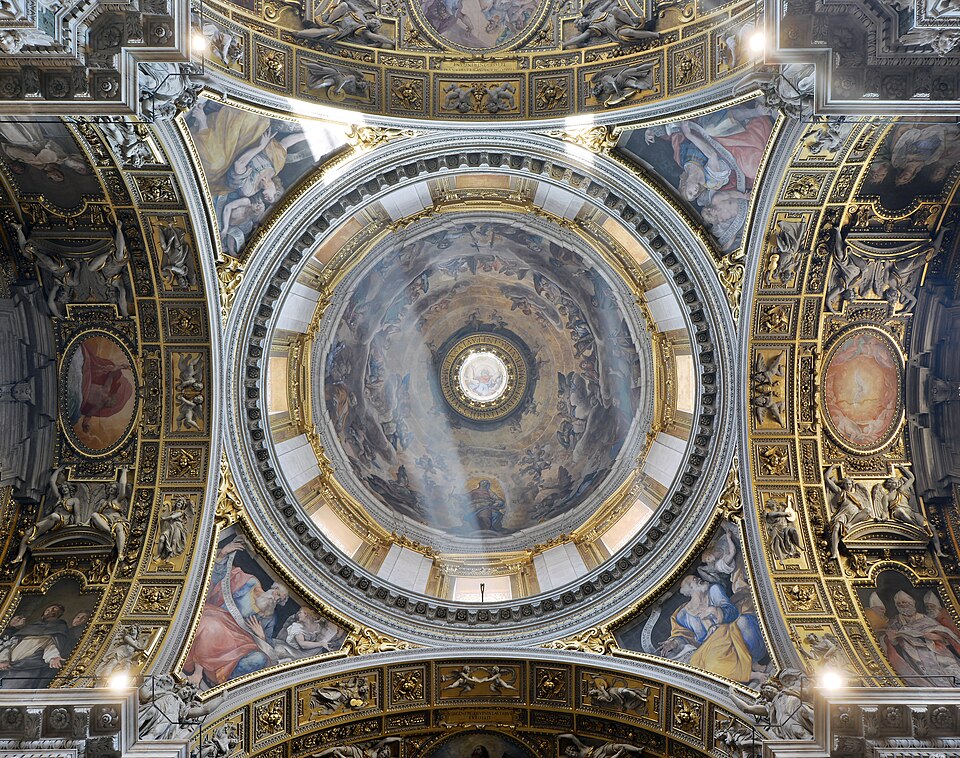
Rome’s great basilicas are naturally cooler than the city’s squares and streets thanks to their thick walls, spacious interiors and limited exposure to direct sunlight.
Santa Maria Maggiore, easily reached from Termini Station, houses magnificent mosaics, chapels and works of art from different historical periods. Saint John Lateran, Rome’s cathedral, can be combined with a visit to the nearby Holy Stairs. Saint Paul Outside the Walls, although slightly farther from the historic centre, is easily accessible by metro and offers impressive interior spaces together with a beautiful cloister. Meanwhile, Santa Maria in Trastevere provides a peaceful stop while exploring one of Rome’s most charming neighbourhoods.
When visiting basilicas and churches, however, it’s important to remember that they are first and foremost places of worship. Although they offer welcome relief from the summer heat, they should always be visited with the respect appropriate to sacred spaces rather than simply being regarded as cool places to rest.
Leonardo da Vinci Exhibition
Located in the heart of Rome’s historic centre, just a short walk from Campo de’ Fiori and Piazza Navona, the Leonardo da Vinci Exhibition is an ideal destination during the hottest hours of the day. The exhibition explores Leonardo’s extraordinary genius through working machines, models and full-scale reconstructions created from his original notebooks.
The exhibition focuses on Leonardo’s pioneering studies of mechanics, flight, hydraulics, military engineering and human anatomy, allowing visitors to observe many of the models up close and better understand how his inventions worked. At the end of the exhibition route, visitors can also discover the Tomb of Aulus Hirtius, a Roman funerary monument found in the palace’s cool underground spaces and partially submerged by the waters of the ancient Euripus.
Suitable for adults, teenagers and children alike, the Leonardo da Vinci Exhibition also enjoys a central location, making it easy to continue your visit to nearby attractions such as Campo de’ Fiori, Piazza Navona and the Pantheon.
A Unique Idea for Your Visit
For a different kind of experience in Rome, explore the interactive Leonardo da Vinci Exhibition
You can read the Italian version of this article here >